As Victoria introduces new infrastructure contributions across Melbourne's activity centres, what will the changes mean for smaller residential developments and the quality of the landscapes they deliver?
Melbourne's Activity Centres Program is entering a new phase. With planning controls now finalised across 60 centres, attention is shifting from housing targets and development opportunities to the infrastructure required to support growing communities.
In October 2026, the Victorian Government outlined its proposed infrastructure contributions system, introducing a standardised charge of $11,350 per net additional dwelling within designated activity centres.
While the initiative is intended to support investment in parks, community facilities, transport and public infrastructure, its implications extend beyond larger apartment developments.
What about smaller developments?
For smaller developers delivering two, three or four townhouses, the new contribution represents another cost to incorporate into an already complex development budget.
For example, replacing an existing dwelling with three townhouses could attract a contribution of $22,700, while a four-townhouse development could attract $34,050.
These figures may appear relatively modest compared with overall construction costs. However, when combined with rising material and labour costs, landscaping requirements and other contributions, their cumulative impact warrants consideration.
Unlike larger developments, smaller projects often have less flexibility to absorb additional costs without revisiting budgets, design decisions or project feasibility.
Investing in the public realm
There is a clear argument for requiring new development to contribute towards the infrastructure needed to accommodate additional residents.
Increasing density creates greater demand for accessible public open space, established tree canopy, pedestrian connections, recreational facilities and community infrastructure.
Under the proposed system, councils will retain two-thirds of the contributions collected, with the remaining third allocated to the Victorian Government.
The opportunity is to ensure these contributions translate into meaningful, coordinated improvements to the public realm rather than providing funding without clearly identified priorities.
Rethinking private open space
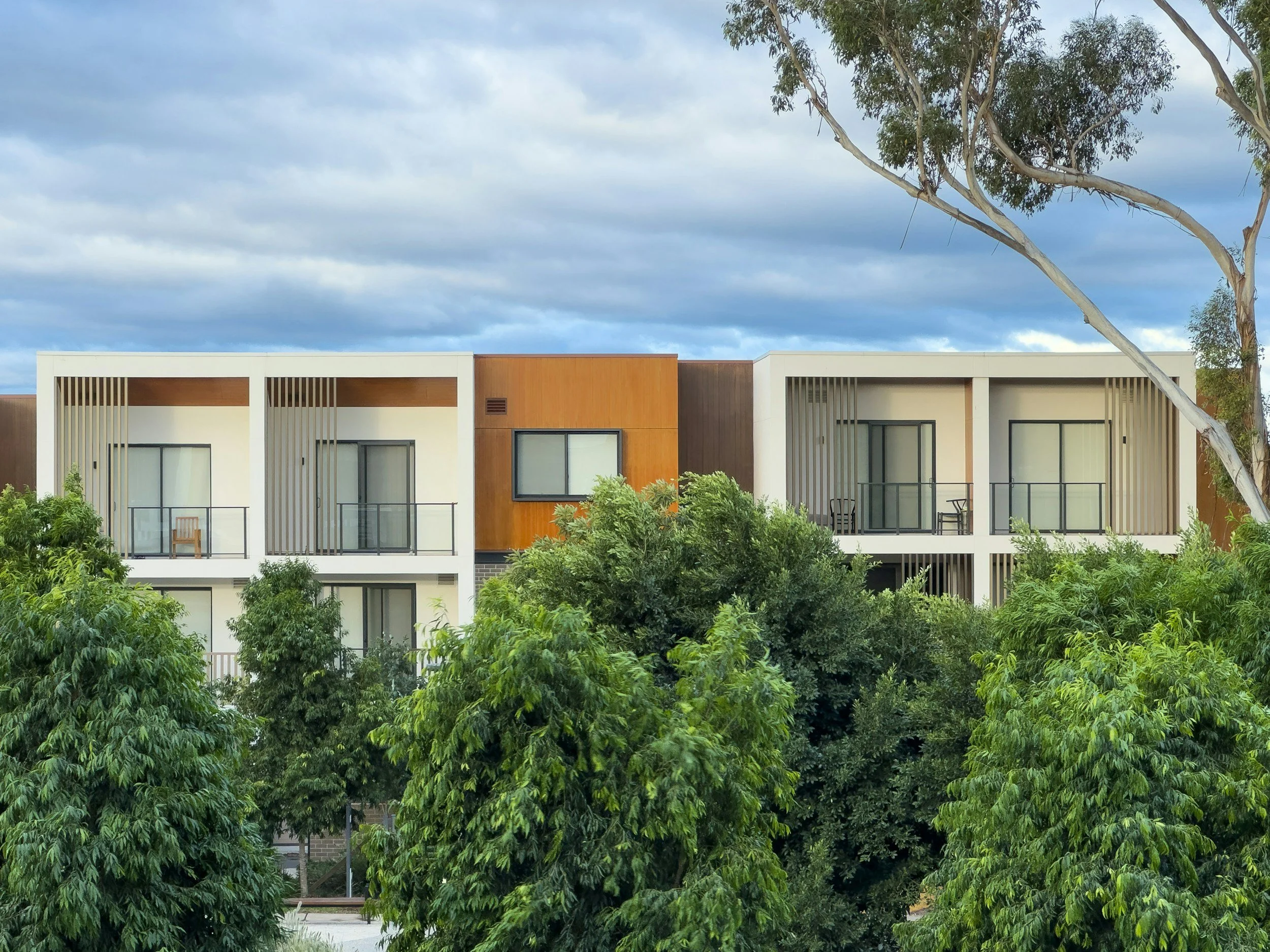
As residential density increases, the traditional suburban backyard may become less common, with smaller courtyards, terraces and balconies increasingly forming the primary private outdoor spaces of townhouse developments.
While reduced private open space presents design challenges, it also creates opportunities to reconsider how these spaces function and how they connect with the broader neighbourhood.
A well designed courtyard or balcony can provide privacy, greenery, outdoor dining and opportunities for relaxation without necessarily accommodating every recreational activity traditionally associated with a larger backyard.
Where homes are located within walking distance of local parks, playgrounds and community spaces, the public realm can complement private outdoor areas, offering greater opportunities for recreation, social interaction and everyday activity.
This shift could encourage a different relationship between private and public space, where smaller, more purposeful domestic landscapes are supported by a richer and more accessible network of shared outdoor environments.
The question may become less about how much private open space we have, and more about how effectively it functions, both independently and as part of the wider neighbourhood.
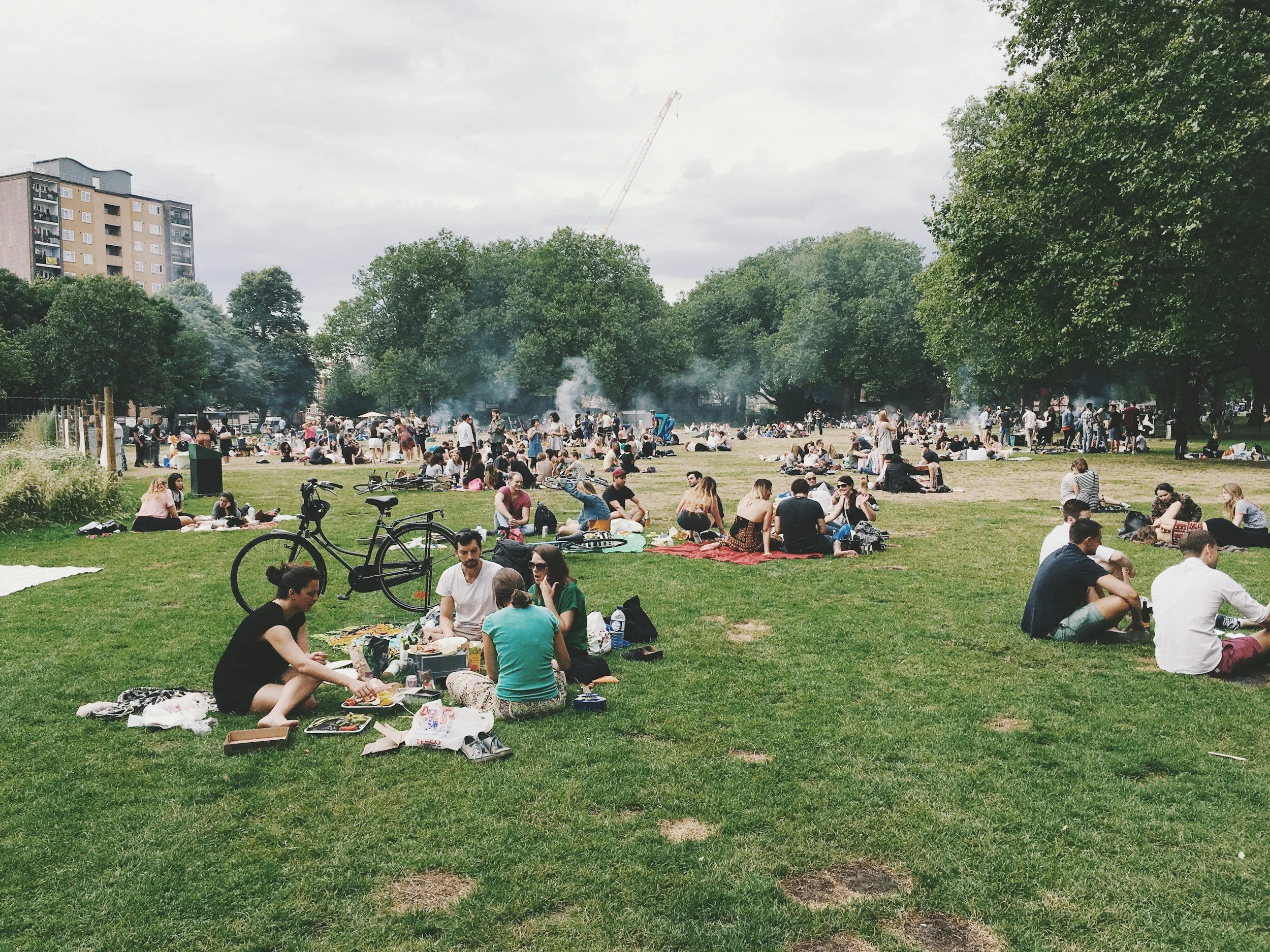
Well-designed local parks provide essential opportunities for recreation, social interaction and connection with nature, supporting more liveable, higher-density neighbourhoods.
Protecting landscape quality
For landscape architects, this transition presents both opportunities and responsibilities.
Smaller residential developments already face competing demands for outdoor space, including vehicle access, services, stormwater infrastructure, private open space and canopy tree planting.
Careful consideration of orientation, privacy, microclimate, accessibility and the relationship between indoor and outdoor spaces can significantly improve the functionality of smaller courtyards and balconies.
However, where development budgets become constrained, landscape works can be particularly vulnerable to value management, potentially reducing material quality, planting diversity or long-term landscape performance.
Investment in improved public infrastructure should therefore complement, rather than replace, appropriate landscape provision within individual developments.
Planning for better places
The introduction of standardised infrastructure contributions offers an opportunity to reconsider how investment in the public realm is planned and delivered.
Earlier collaboration between councils, developers, landscape architects and other consultants could help identify infrastructure priorities, coordinate landscape improvements and establish stronger connections between private developments and surrounding public spaces.
For smaller developments, early consideration of statutory contributions alongside landscape, stormwater and built-form requirements will become increasingly important.
Ultimately, Melbourne's activity centres should be measured not only by the number of additional homes delivered, but by the quality of the neighbourhoods created around them.
Smaller private spaces need not mean a diminished quality of life. With thoughtful design and greater investment in the public realm, they could contribute to more connected, sustainable and liveable communities.