Victoria's latest planning reform could significantly reduce approval times for smaller residential projects. With faster decisions comes a greater emphasis on getting the design right from the outset.
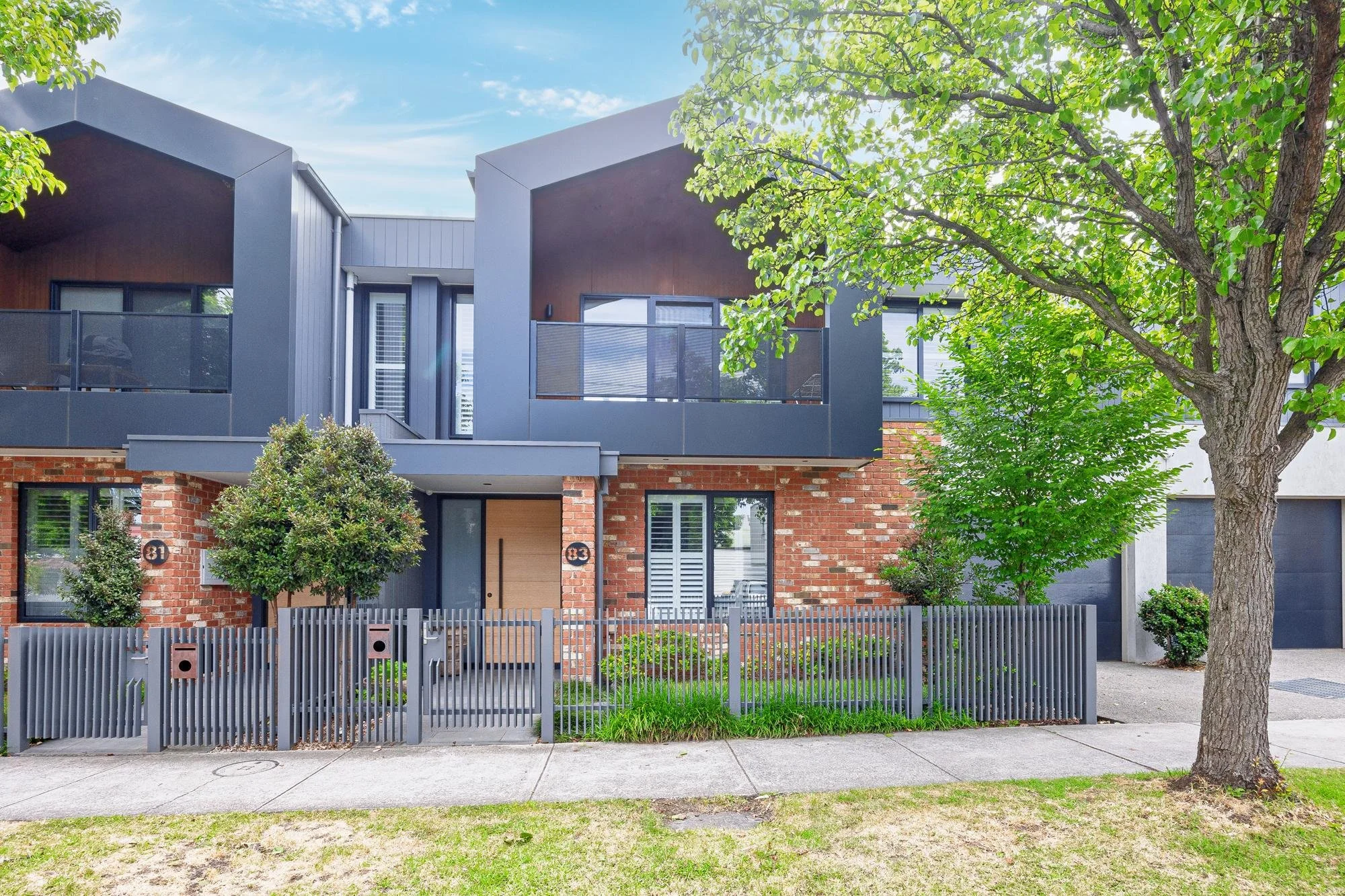
Thoughtfully designed landscapes contribute to the quality of smaller residential developments, balancing increased density with greener streets, functional outdoor spaces and stronger neighbourhood connections.
A faster pathway for smaller developments
In October 2026, the Victorian Government introduced Amendment VC319, extending the VicSmart planning assessment pathway to eligible developments of up to four dwellings on a lot.
Previously available to developments of up to two dwellings, the expanded pathway provides a statutory assessment timeframe of just 10 business days for qualifying applications, compared with the standard 60 day planning assessment period.
For landowners, developers and consultants,, this is a significant improvement in planning certainty, reducing delays and holding costs.
Compliance from the outset
To qualify for VicSmart, developments must satisfy prescribed planning standards, including relevant neighbourhood character and amenity requirements under Victoria's Townhouse and Low-Rise Code.
Existing controls relating to building height, garden area and other applicable planning provisions continue to apply.
Importantly, developments that do not meet the necessary VicSmart eligibility requirements must follow the standard planning assessment pathway.
This places greater importance on resolving competing site requirements early, rather than relying on design amendments during the application process.
Where landscape architecture fits in
For smaller townhouse developments, landscape planning is often closely connected to architectural feasibility.
Tree canopy, deep soil, private open space, access, stormwater management and building footprints all compete for space, particularly on constrained sites.
These considerations are not ‘finishing touches’ to be resolved once a building layout has been established. They can influence whether a proposal achieves the required planning standards.
Early collaboration between architects, landscape architects and other consultants can help identify potential conflicts, establish realistic landscape outcomes and minimise redesign.
Faster approvals. Better places?
In our recent article, Small Developments. Bigger Contributions. Better Places?, we explored how increasing residential density and proposed infrastructure contributions could influence smaller developments and the quality of our neighbourhoods.
While VC319 reducing approval times is a positive step towards increasing housing supply, the quality of the spaces surrounding new homes remains equally important.
The opportunity is not simply to approve more homes faster, but to establish a more coordinated design process that delivers functional, attractive and enduring landscapes alongside them.
At SELA Studio, we believe early landscape involvement is an important part of this process, helping clients and project teams navigate planning requirements, resolve design challenges and deliver better outcomes for both residents and the wider community.