Planning Activity Centres for Families
Part 1
As a parent of two young kids, the idea of being able to leave home, walk to kinder or school, then walk home or catch a train into the city, all within 20 minutes, sounds pretty close to ideal.
For us, that hasn’t really been the reality. A car is very much needed.
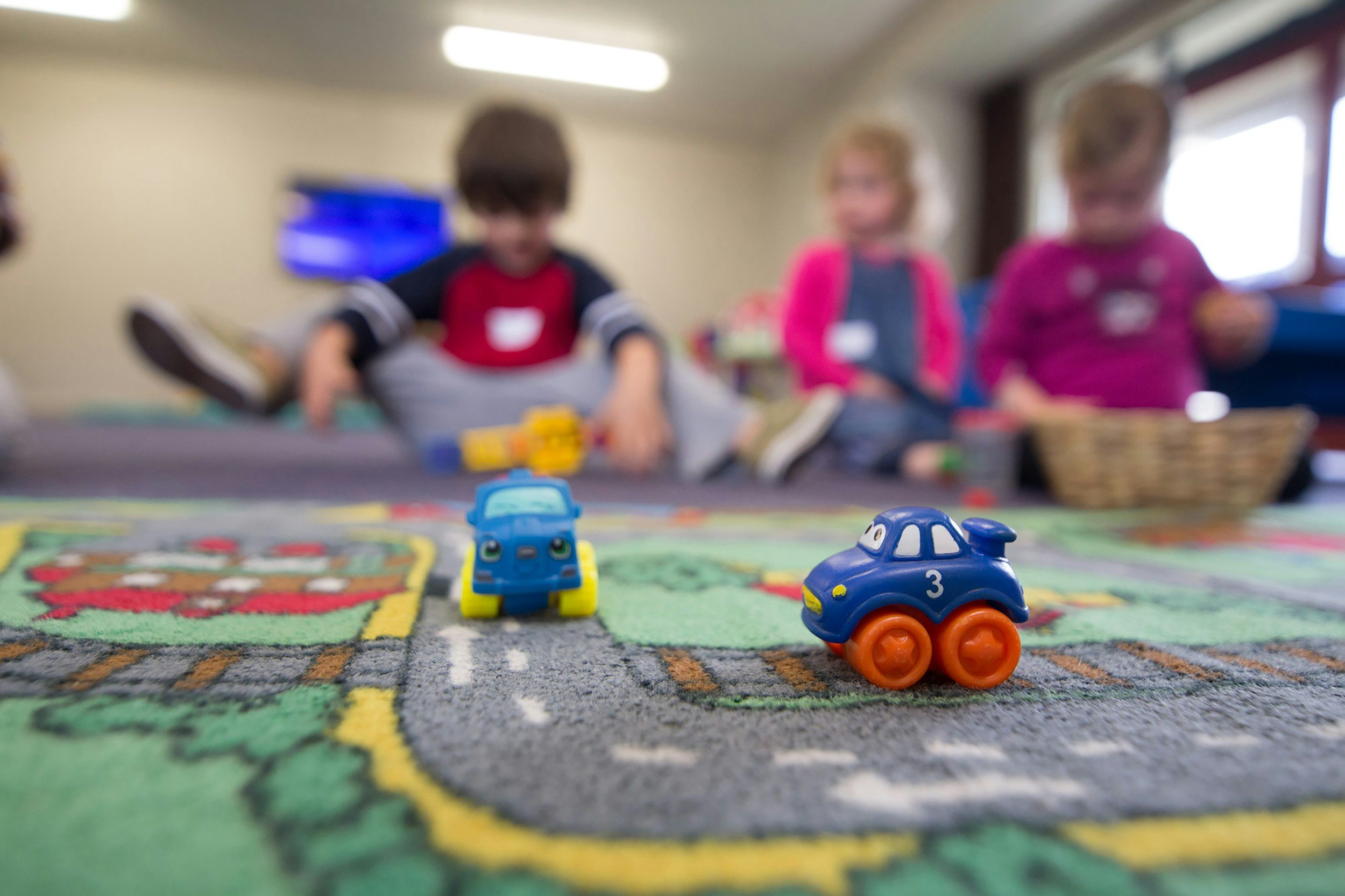
There’s nothing quite like the serenity of the morning school drop-off.
Like many families, both parents need to work. After the early years of managing on one income, childcare becomes essential, followed by kinder, then school…and for several years the cost and logistics are significant.
It’s one reason I’m interested in what Melbourne’s emerging Activity Centres will actually be like for young families.
We’re planning for more housing around established centres, train stations and existing services. In principle, that makes a lot of sense. Housing is only one part of the discussion.
If more families are going to live in these areas, where will their children spend their early years? Do we have enough ELC and kindergarten capacity? Will those facilities offer the space, landscape, nature, movement and challenge that young children need? And as land becomes more constrained and expensive, how do we balance capacity, quality and affordability?
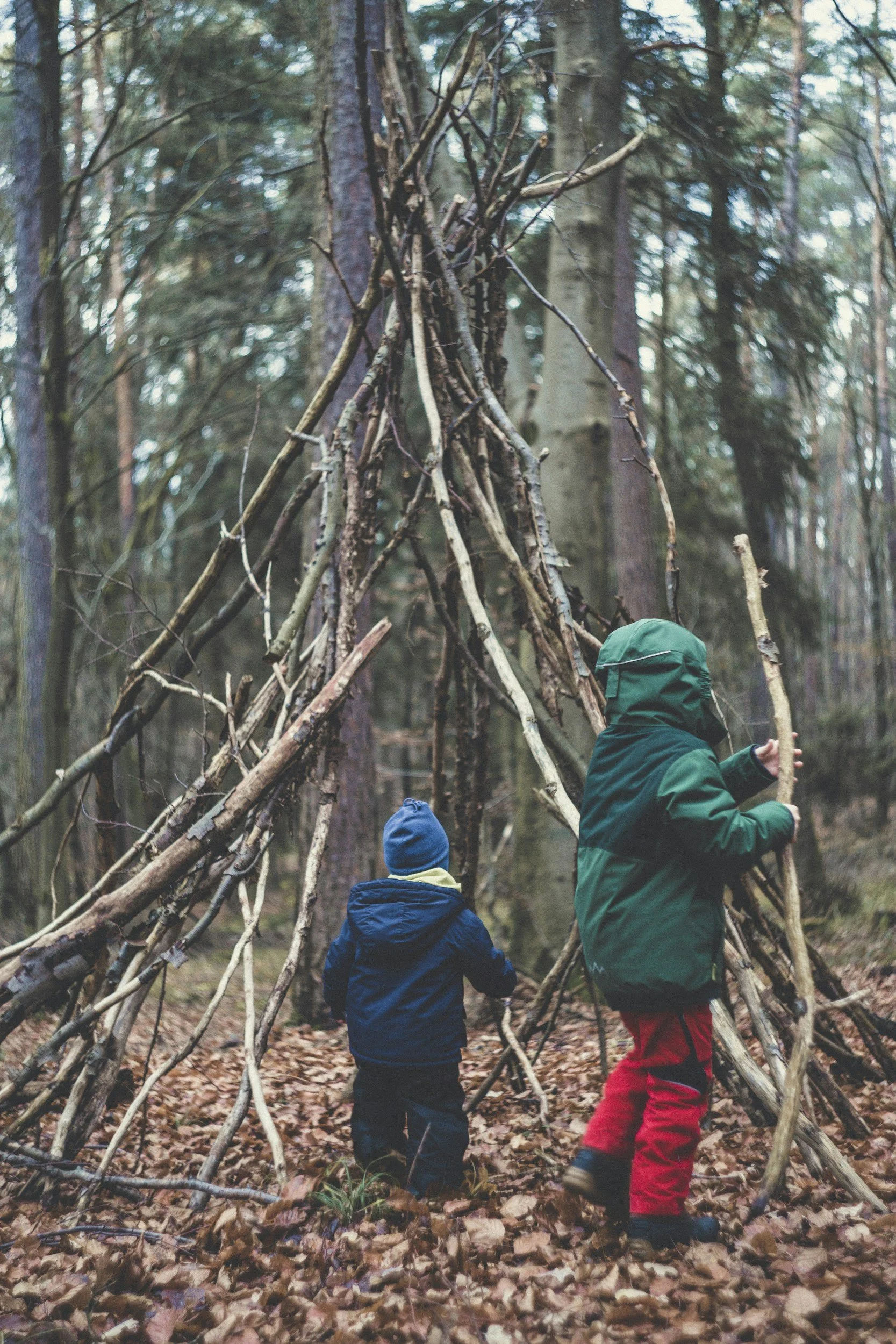
Children growing up in denser urban environments may simply have fewer opportunities for the kind of incidental, unstructured outdoor play that comes more naturally with access to larger back yards, bushland and open space.
Research suggests where children live can influence how much and what type of physical activity and free play they experience.
If that opportunity is reduced at home, in our townhouse or apartment, surely the responsibility turns to the environments we provide, through ELC’s and schools, but also through parks and public open space.
If an individual ELC can’t provide everything within its own boundary, what role should the surrounding neighbourhood play? Parks, open space, safe walking routes and the public realm all become part of the childhood environment too. That’s where councils, planners, urban designers and landscape architects need to be working together early, before the key decisions about density, infrastructure and open space have already been made.
Part 2
If two or three substantial residential developments are approved within an Activity Centre, at what point does that growth create the need for another kindergarten or ELC and who is actually responsible for delivering it?
Developer? Council? State Government? The private market?
In our next Journal update, I’ll be testing that question against a real south-east Melbourne Activity Centre and see what the numbers and the planning framework currently tells us.