
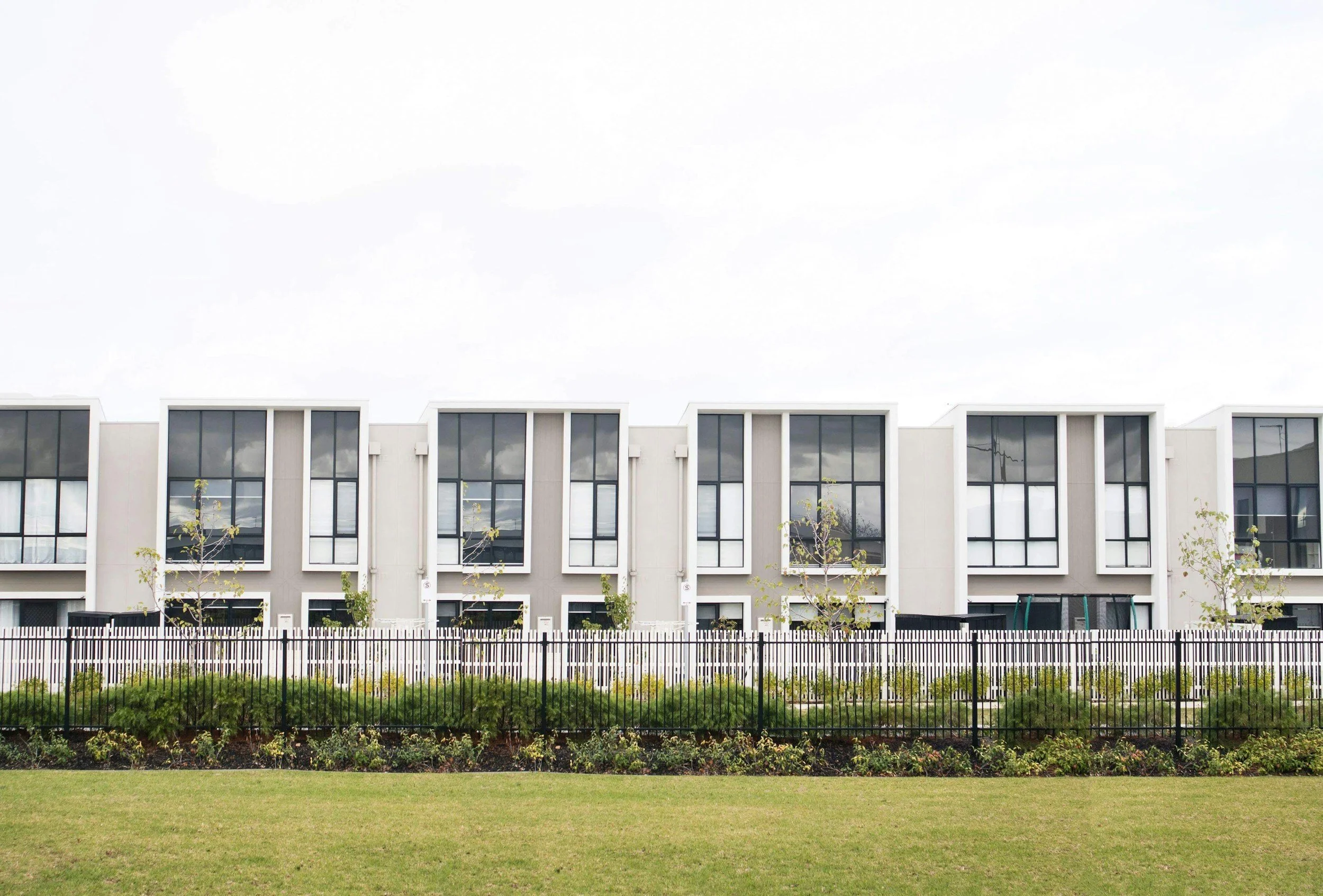
Townhouse Landscape Package
Permit-ready. Buildable. Repeatable.
Townhouse Landscape Plans for Planning Applications
The SELA Studio Townhouse Package is designed to support clients, developers and architects with clear, compliant, and efficient landscape outcomes — from planning through to construction.
❋ Planning Stage
Landscape concept plan (permit-ready)
Deep soil and permeability diagrams
Planting intent and canopy response
Supporting notes for planning submission
❋ Documentation Stage
Detailed landscape plans
Planting schedules
Materials palette
Standard construction details
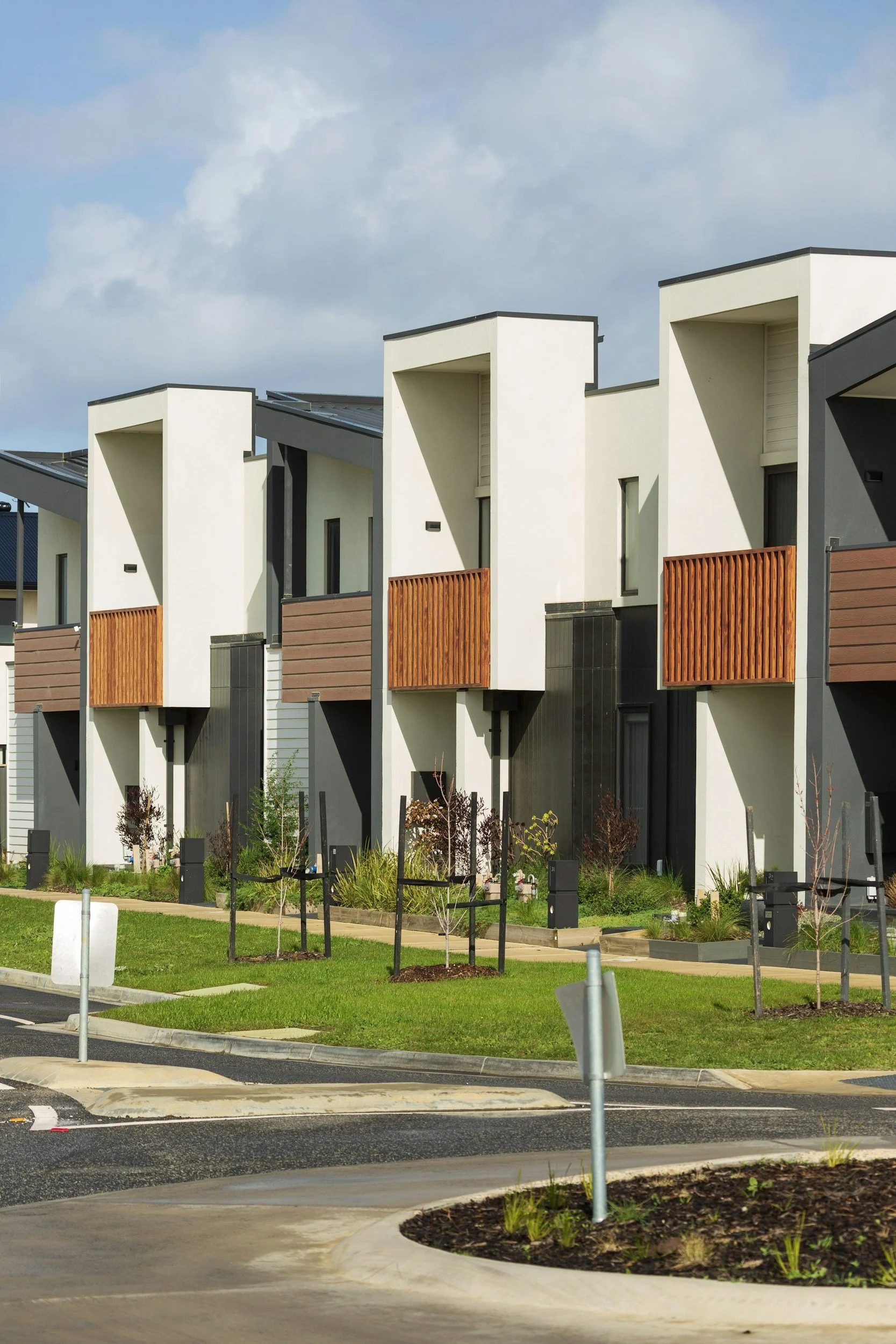
Designed for Townhouse Projects
Best suited to:
2–24 dwelling developments
Low to mid-scale residential sites
Projects requiring efficient planning approval and clear delivery
How We Work
Fast turnaround for planning submissions
Clear, consistent documentation
Practical, buildable outcomes
Direct senior involvement from start to finish
Optional Services
Contract administration
Site inspections
Additional design development (if required)
FAQs
When is a landscape plan commonly required?
1
A landscape plan is commonly required for multi-dwelling residential developments, apartment and mixed-use projects, commercial developments, education and early learning facilities, and other projects where landscape forms part of the planning assessment.
In some cases, a landscape plan is required at the time of lodgement. In others, it may be requested by council during assessment or included as a condition of the planning permit.
The exact requirement varies depending on the municipality, planning controls, site conditions and scale of development.
What do councils typically expect from a landscape plan?
2
Council requirements vary, but a landscape plan will generally need to clearly demonstrate how the proposed landscape responds to the development and surrounding context.
This may include proposed trees and planting, species selection and quantities, surface treatments, private and communal open space, screening, deep soil areas, interfaces with buildings and boundaries, existing vegetation to be retained or removed, and relevant landscape notes and schedules.
The plan should also coordinate with the architectural, arboricultural and civil documentation so the overall proposal is clear and consistent.
What information does SELA need from the architect or planner?
3
To begin, SELA will typically require the latest architectural drawings and site survey, together with any available planning information.
Depending on the project, this may also include the arborist report, planning permit or permit conditions, council requests for further information, civil or drainage drawings, traffic information and other relevant consultant documentation.
If the project is still at an early stage, SELA can review the available information and advise what is needed before landscape documentation proceeds.
What are the concept, permit and documentation stages?
4
Landscape involvement can vary depending on the project.
At concept stage, SELA can provide early advice on site planning, landscape opportunities, tree planting, open space, interfaces and other key landscape considerations.
At planning or permit stage, the landscape design is developed into documentation suitable for submission to council or to satisfy planning permit conditions.
Following approval, SELA can prepare detailed landscape documentation for tender and construction, including planting plans, materials, details, schedules and consultant coordination as required.
Can SELA assist before a planning application is lodged?
5
Yes. Early landscape input can often be particularly valuable before a planning application is lodged.
SELA can review architectural plans and identify landscape-related opportunities, constraints and coordination issues before the design becomes too advanced.
This may include consideration of tree planting, deep soil, open space, screening, interfaces, access, landscape character and the relationship between the landscape and built form.
Addressing these matters early can help create a more coordinated planning submission and reduce the likelihood of avoidable changes later in the process, or additional costs incurred during construction phase.