How do we make the deemed to comply standard good enough that it consistently delivers quality green infrastructure?
Following City of Melbourne's Green Roof Forum and the launch of the new Green Infrastructure Guidelines (published in partnership by City of Melbourne and Merri-bek City Council), discussion amongst attendees touched on the broader planning reforms currently being implemented across Victoria.
While there is broad support for increasing housing supply and reducing unnecessary delays, some practitioners expressed concern that the expansion of deemed to comply pathways may have unintended consequences for landscape outcomes, particularly on smaller development sites.
Larger developments are generally still subject to extensive planning scrutiny, specialist consultant input and multiple approval pathways. However, smaller "mum-and-dad" and first-time developers may increasingly utilise deemed to comply provisions, reducing the opportunities for councils and design teams to refine landscape outcomes through the planning process.
The concern is not necessarily that developments will fail to provide landscaping, but that many may simply deliver the minimum standard required. Over time, this could result in reduced canopy cover, smaller deep soil zones, fewer opportunities for green infrastructure and a gradual erosion of the landscape quality that contributes to neighbourhood character and liveability.
As Victoria pursues greater housing density and affordability, the challenge will be ensuring that planning reform removes unnecessary red tape while still securing meaningful green infrastructure outcomes. Small sites collectively represent a significant proportion of urban development, and the impact of thousands of individual deemed to comply projects may ultimately have a greater influence on urban canopy, biodiversity, stormwater management and heat resilience than a relatively small number of large-scale developments.
The opportunity for government, councils and industry is to ensure that landscape and green infrastructure requirements are clear, measurable and embedded within deemed to comply provisions themselves, so that good environmental outcomes are achieved as a matter of course rather than relying on negotiation later in the planning process.
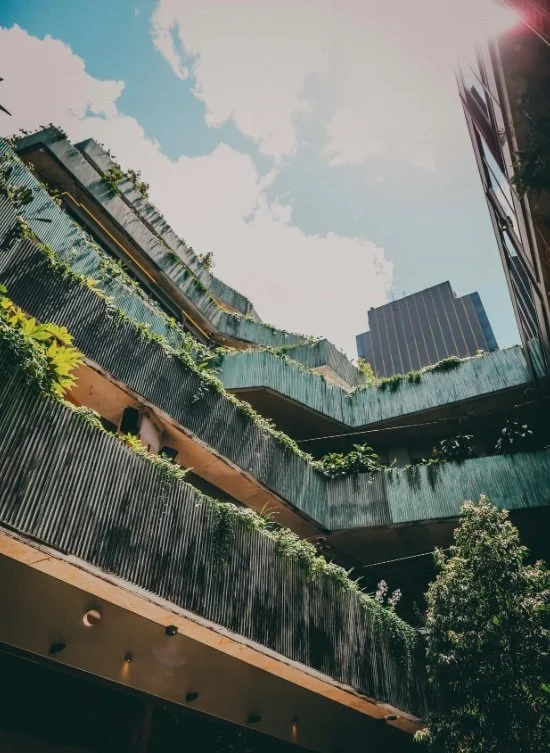
Architecture & Interior Design: Techne Architecture + Interior Design
Interior Design & Creative Direction: Eleisha Gray
Landscape Design: Ayus Botanical
Structural, Civil & Geotechnical Engineering: WGA (Wallbridge Gilbert Aztec)
Project Management / Cost Management: TSA Riley
Developer / Client: Sand Hill Road
The Waterside Hotel was highlighted during the forum as a strong example of successful contemporary green infrastructure in Melbourne. While larger, mixed-use developments are likely to continue delivering meaningful green infrastructure outcomes, there is concern that smaller developments may only provide the minimum required if deemed-to-comply standards are not robust enough or consistently enforced.
Links to green infrastructure information and guidelines here: https://www.melbourne.vic.gov.au/green-roofs-walls-and-facades