Building Places, Not Just Apartments
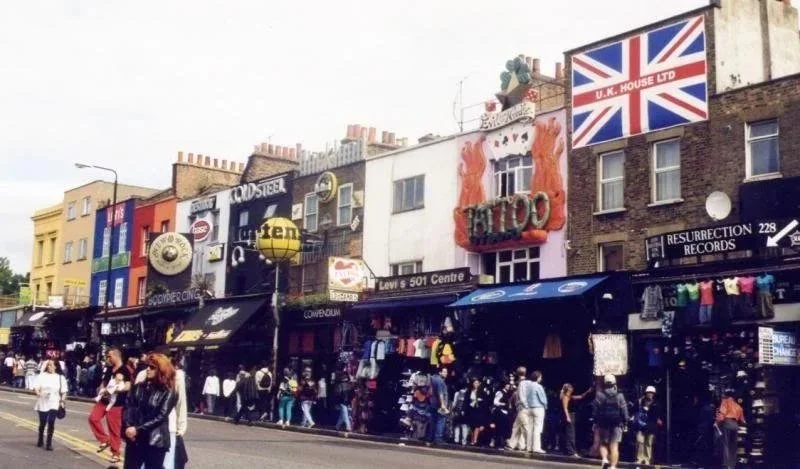
Camden Town, London was the epicentre of alternative culture, live music and independent fashion in the late 1980’s/early 90’s.
Successful cities have long attracted artists, musicians, designers, writers and other creative people to neighbourhoods close to the urban core. Usually, this wasn't by design. These areas were simply more affordable.
From parts of London and New York in the 1980s and 90s to Melbourne suburbs like Brunswick, creative communities have often emerged in places with accessible housing, good public transport and the freedom to experiment.
The benefits extend well beyond the arts. Creative communities bring identity and energy to a place. They activate streets, organise events, support hospitality and retail businesses, and contribute to the culture that makes neighbourhoods memorable and desirable.
Ironically, these qualities often become the reason property values and rents rise.
Brunswick is widely recognised as one of Melbourne's creative hubs and has one of the highest concentrations of registered artists in Australia. The question is how long this can continue if rising housing costs make it increasingly difficult for creatives to live there.
Recent modelling associated with Federal housing and taxation reforms has highlighted a significant gap between government and industry forecasts, with some groups warning that rental increases could be substantially higher than official estimates.
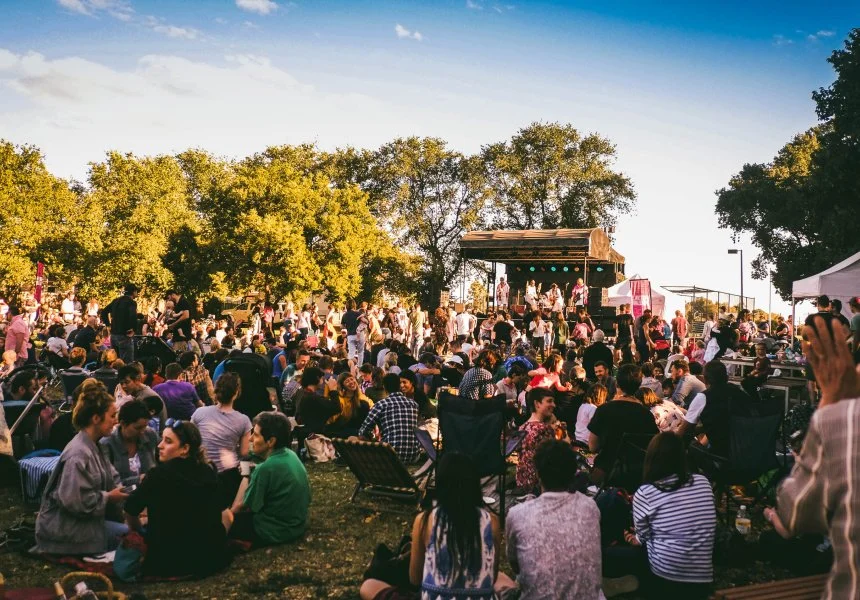
Brunswick Music Festival 2024
This matters because creativity thrives where people can connect, collaborate and participate in public life. When artists, musicians and emerging creative industries are pushed further from well-connected urban areas, cities risk losing part of what makes them vibrant.
This is where the discussion around Activity Centres becomes particularly important.
If Melbourne is serious about accommodating growth, these centres should deliver more than housing numbers alone. They should create complete communities that support a diverse range of residents, including younger people, key workers, creatives and small business owners.
The design of buildings and public spaces will play a significant role in determining whether this succeeds. Well-designed communal green spaces, plazas and shared landscapes can provide places for passive recreation, informal gatherings, community events, performances, markets and food vendors. These spaces help create the social connections that turn a collection of buildings into a neighbourhood.
The design of buildings and public spaces will play a significant role in determining whether this succeeds. Well-designed communal green spaces, plazas and shared landscapes can provide places for passive recreation, informal gatherings, community events, performances, markets and food vendors. These spaces help create the social connections that turn a collection of buildings into a neighbourhood.
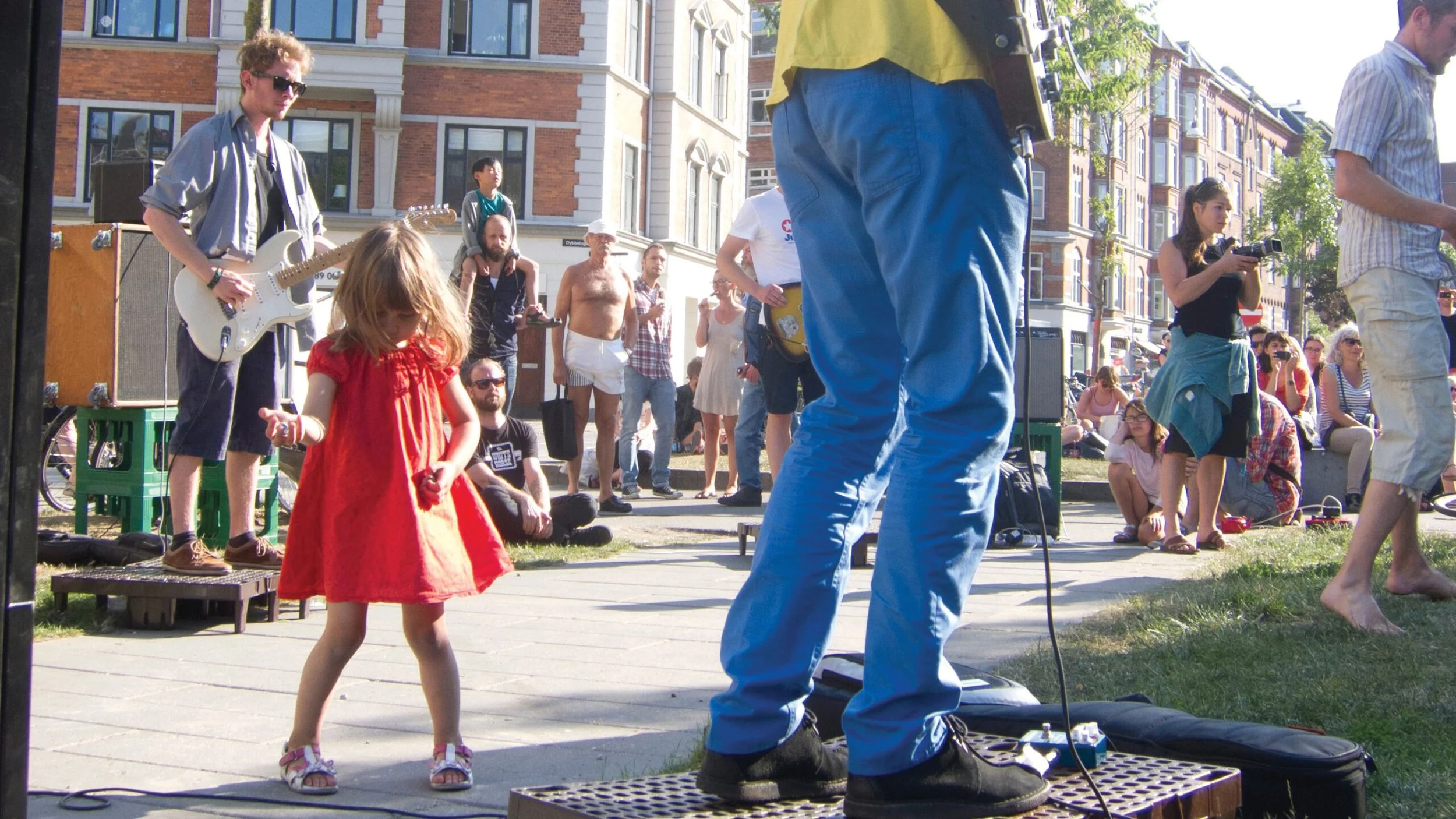
Image taken from Soft City: Being Neighbours - Author David Sim (2019)
The concept of "life between buildings" was explored extensively by Jan Gehl and remains highly relevant to contemporary discussions about city-making and urban density.
We should be creating the conditions for a Brunswick in the east, south and west of the city — places where creative communities can establish themselves, contribute to local culture and help shape a unique identity for each centre.
The long-term success of Activity Centres will not be measured solely by apartment numbers or building heights, but by whether they become places people genuinely want to spend time in. Affordable housing, quality public space and thoughtful landscape design all have a role to play in creating those outcomes.
Without them, we risk building denser cities that are increasingly expensive, homogeneous and disconnected from the creativity that gives urban life its character.