Activity Centres, Density and the Missing Layer: Landscape as Infrastructure
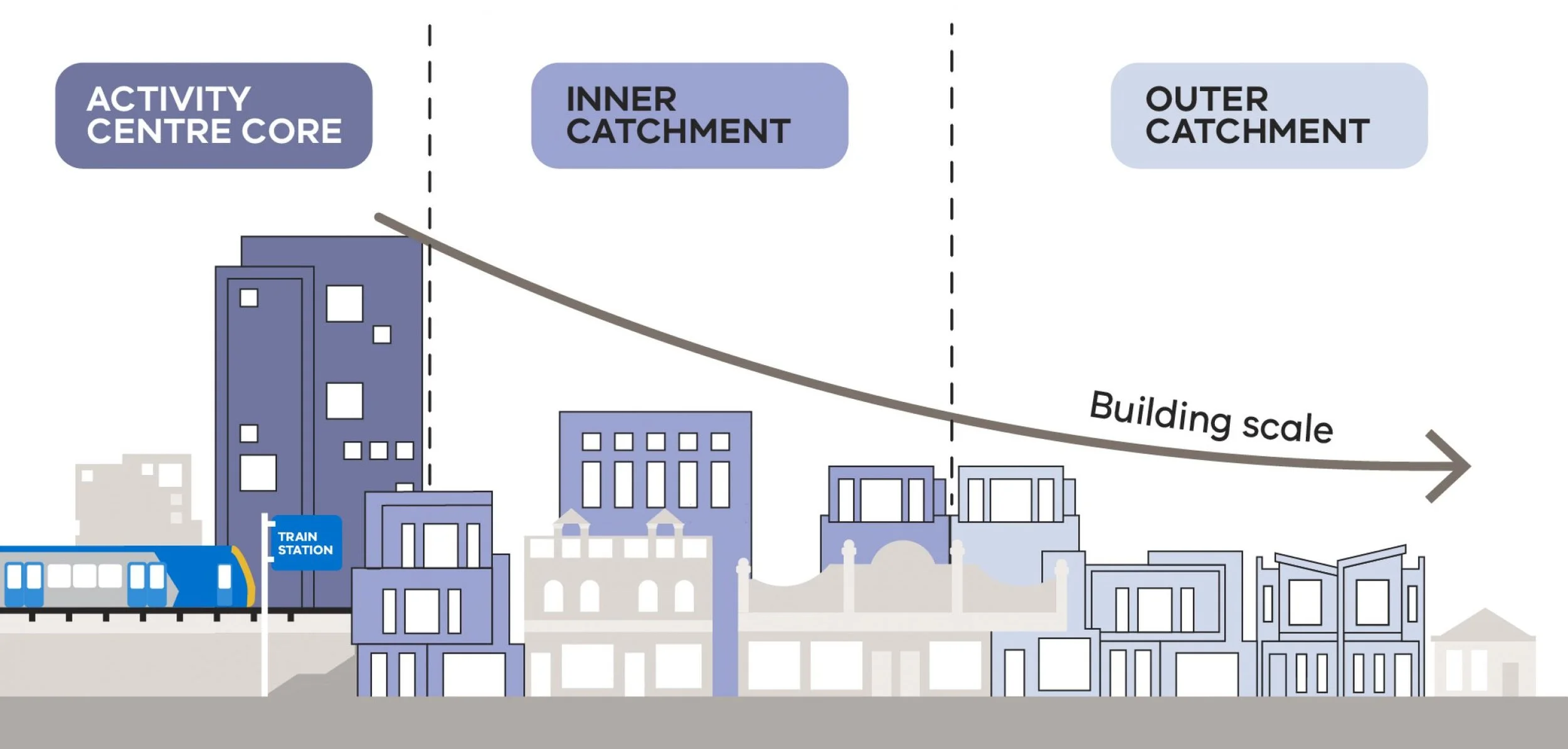
Much of the focus is on built form and density but the public realm remains underrepresented, to date (Supplied: Victorian government)
Intro
Victoria’s activity centre reforms are accelerating conversations around housing, density and neighbourhood change. Much of the discussion has centred on built form and yield, but there’s a critical layer that remains underrepresented: the public realm.
Without it, higher-density development struggles to translate into better living outcomes.
The Issue
Recent commentary highlights a familiar tension - more housing versus neighbourhood character. However, this framing misses something important. The way density is experienced is largely shaped at ground level:
Streets
Open space
Tree canopy
Movement networks
Liveable Victoria launched to campaign against Labor's planning reforms
Good examples, on our doorstep
There are examples across Melbourne where a different approach is taken.
Projects like Brighton Social Housing, adjacent to Elster Creek, offer a useful local reference.
Here, higher-density housing is supported by a more integrated approach to landscape and public realm:
Clear interface between development and green corridor
Open space and planting that contribute to both amenity and microclimate
Proximity to community infrastructure, including local garden initiatives
The result is a development that feels connected to its context, not isolated from it.
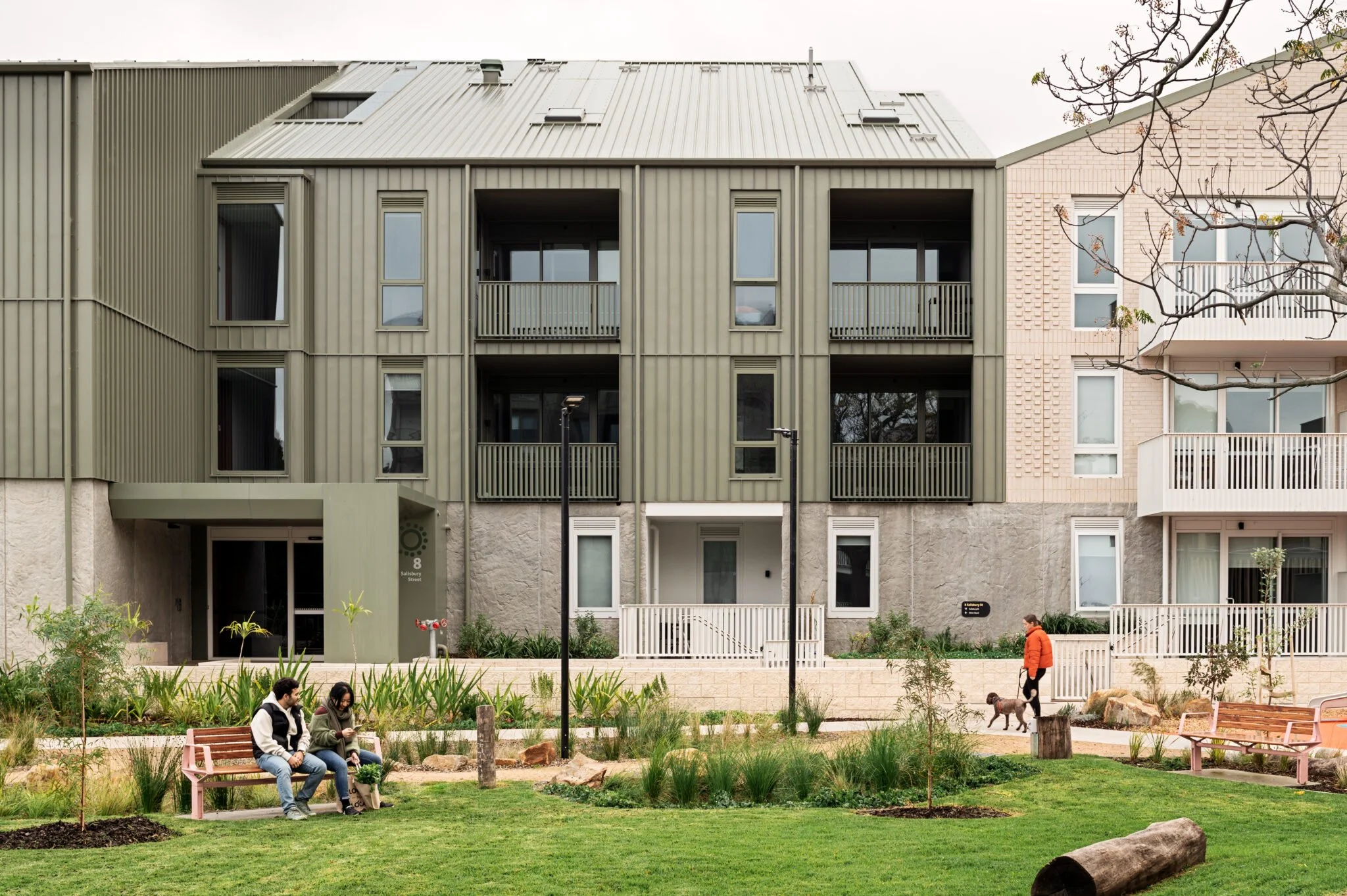
Pleasant at Ground Level - Brighton Social Housing, adjacent to Elster Creek (Supplied: SJB)
Projects delivered by Nightingale Housing offer a useful reference point too.
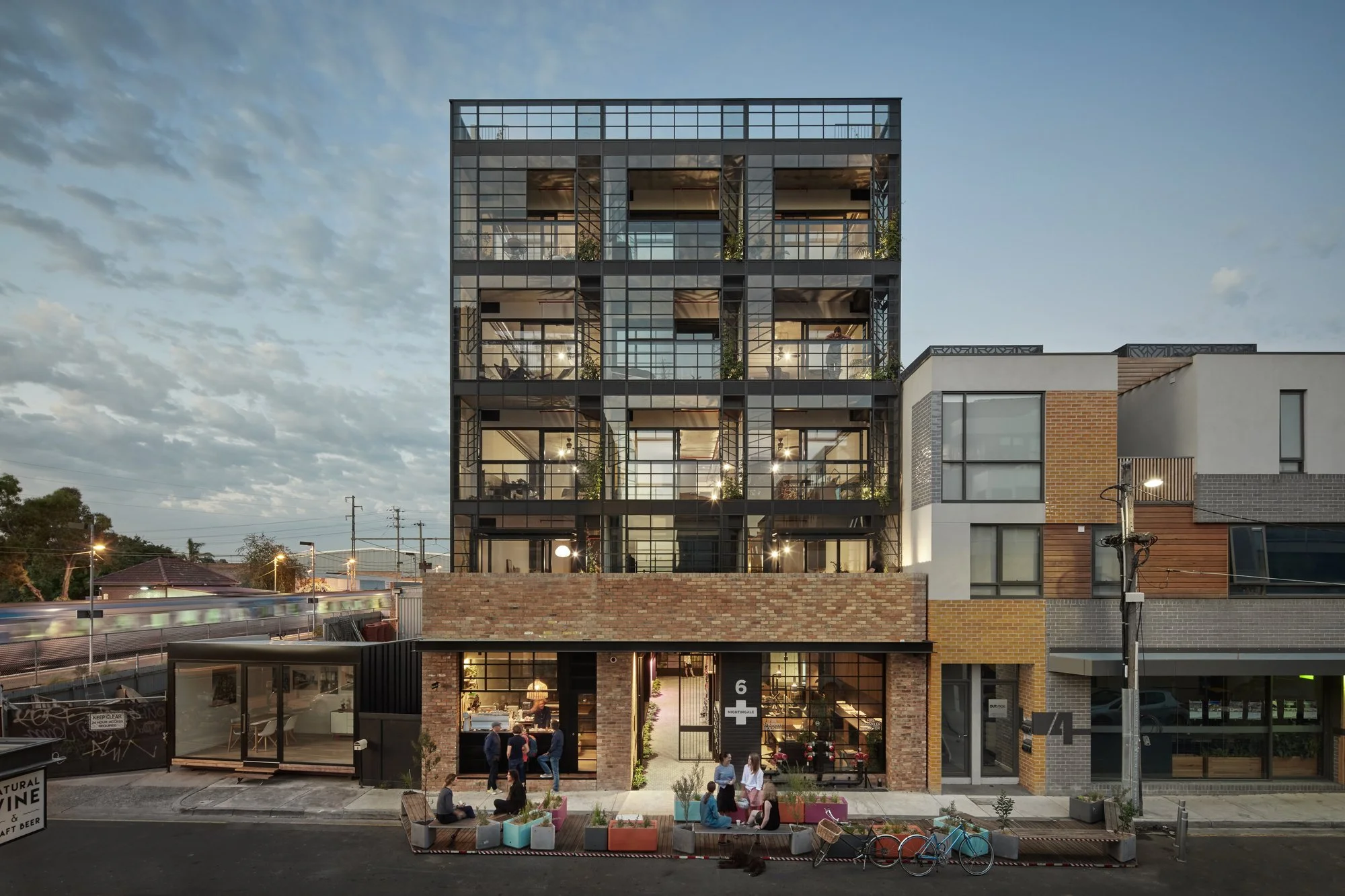
Nightingale 1, Melbourne. The ground floor cafe and office gives life to the street by day, and create a micro-community to come home to. (Supplied: Peter Clarke)
While often discussed in terms of sustainability and affordability, what stands out spatially is how the public realm and shared landscape are embedded early:
Landscaped communal areas that support social interaction
Strong connections between indoor and outdoor spaces
Consideration of microclimate, shading and planting as part of the overall design logic
These projects demonstrate that density doesn’t need to feel compromised, when landscape is part of the framework, not an afterthought.
An approach for emerging centres
For activity centres to succeed, landscape needs to be embedded much earlier in the process.
A simple shift in approach:
Bring landscape into feasibility, not just planning response
Use it to shape site layout and yield, not just setbacks
Align canopy, open space and movement with built form strategy
When this happens, landscape becomes a structuring element, not a finishing layer.
Looking Ahead
Across Melbourne’s south east, activity centres present a significant opportunity.
The challenge isn’t just accommodating growth, it’s shaping places people actually want to live in.
Landscape has a critical role to play in that outcome, but only if it’s positioned early enough to influence it.
SELA Studio works with developers and consultant teams across Melbourne’s south east to embed landscape thinking early in the planning and design process.